CNC Turning Process
The CNC turning process typically involves the following steps:
- Material Selection: Choosing the appropriate material based on the component’s requirements, such as strength, durability, and corrosion resistance.
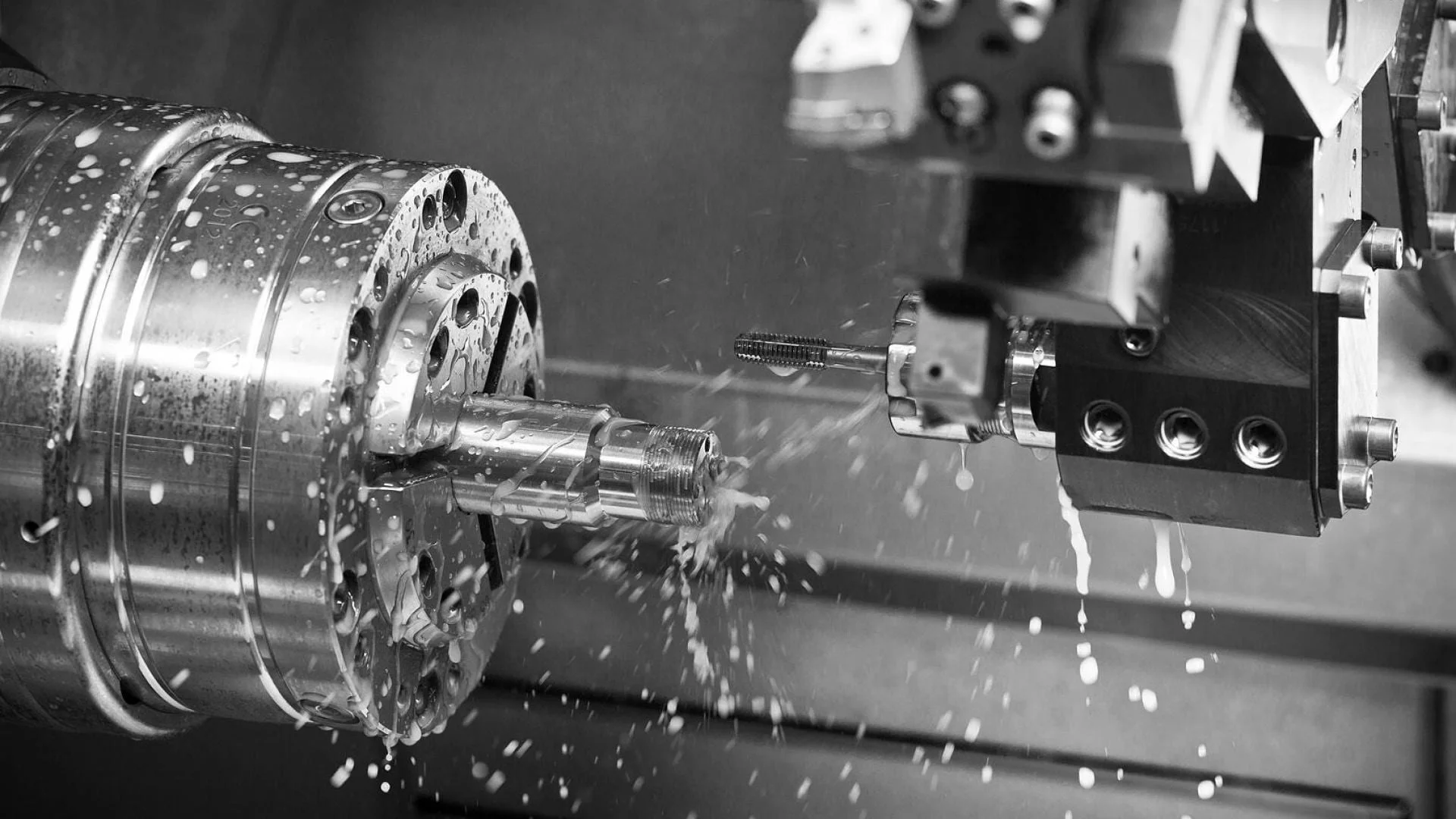
- Workpiece Setup: Securing the workpiece onto a lathe spindle for rotation.
- Tool Selection and Programming: Selecting the appropriate cutting tools and programming the CNC machine to execute the desired machining operations.
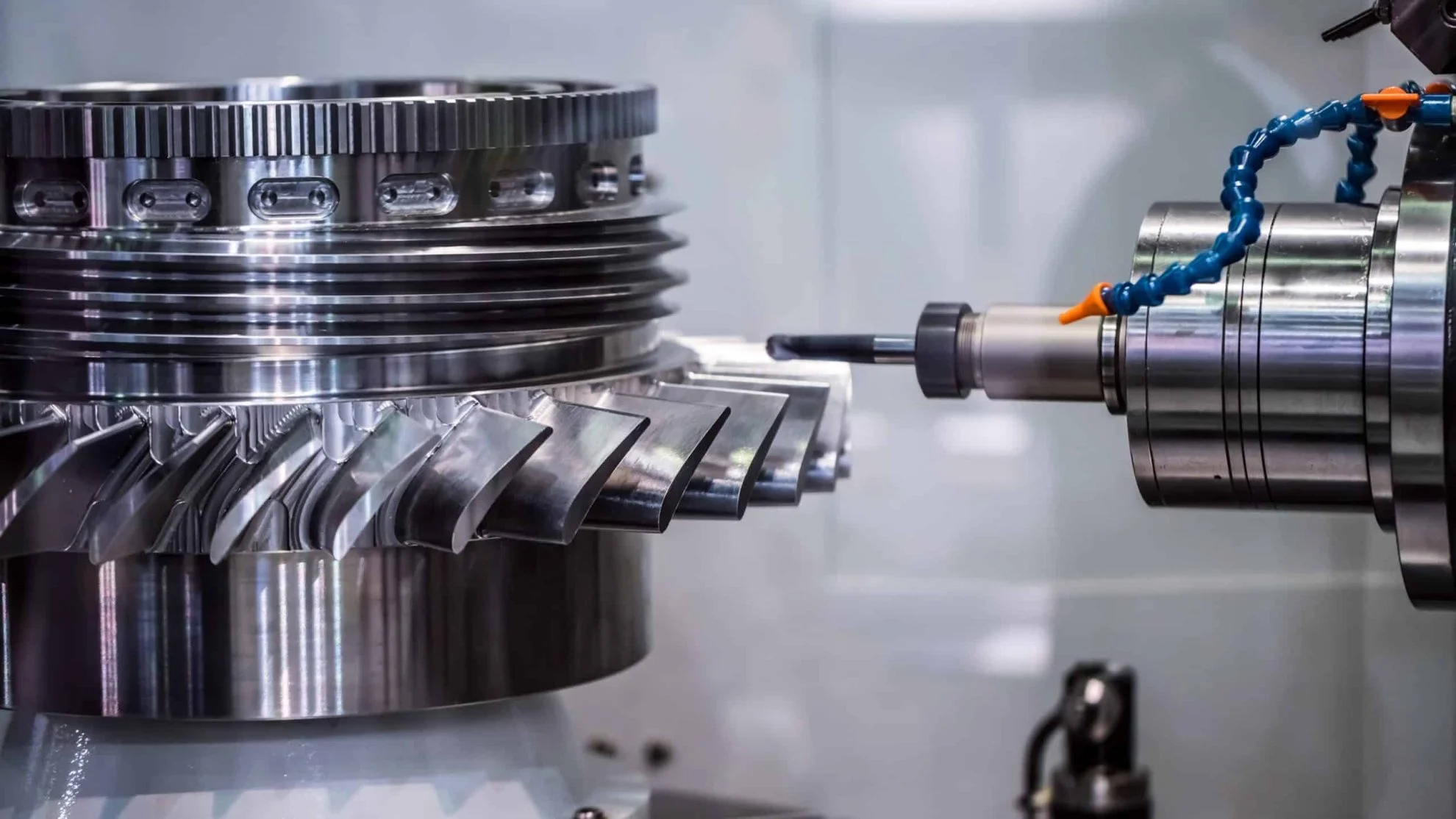
- Machining: The CNC machine’s spindle rotates the workpiece while the cutting tools remove material to achieve the desired shape and dimensions.
- Finishing: Applying finishing operations like polishing or deburring to improve the surface quality and appearance.
Inspection: Thoroughly inspecting the finished components to ensure they meet the specified tolerances and quality standards.
Industries Benefiting from Precision CNC Turning
- Hydraulic: CNC turning is used to produce hydraulic cylinders, valves, pumps, and other components that require precise tolerances and durability.
- Oil & Gas: The industry relies on CNC turning for manufacturing critical components such as pipes, fittings, valves, and drilling equipment.
- Automotive: CNC turning is essential for producing a variety of automotive parts, including engine components, transmission gears, brake systems, and steering components.
- Gear & Transmission: Precision CNC turning is used to manufacture gears, shafts, and other components for gearboxes and transmissions in various industries.
- Wind Energy: CNC turning is employed to produce components for wind turbines, such as hubs, nacelles, and rotor blades.
- Pump & Valves: CNC turning is used to manufacture pumps, valves, and other fluid control components with high precision and reliability.
- Marine: The marine industry relies on CNC turning for producing components such as propellers, shafts, and engine parts.
- Rail Transportation: CNC turning is used to manufacture components for locomotives, wagons, and other rail vehicles, including axles, wheels, and brakes.
- Fuel Dispenser: CNC turning is used to produce components for fuel dispensers, such as pumps, valves, and flow meters.
- Food Machinery: The food industry utilizes CNC turning to manufacture components for food processing equipment, such as mixers, grinders, and packaging machines.
- Agriculture : CNC turning is used to produce components for agricultural machinery, including tractors, harvesters, and irrigation systems.
- Construction : The construction industry benefits from CNC turning for producing components such as bolts, nuts, and structural elements.
- Airport Ground Support Equipment : CNC turning is used to manufacture components for airport ground support equipment, including baggage handlers, cargo loaders, and de-icing vehicles.
The Advantages of Precision CNC Turning
- Enhanced Accuracy: CNC turning ensures precise dimensions and tolerances, critical for components in many industries.
- Improved Efficiency: CNC automation streamlines production, leading to increased efficiency and reduced costs.
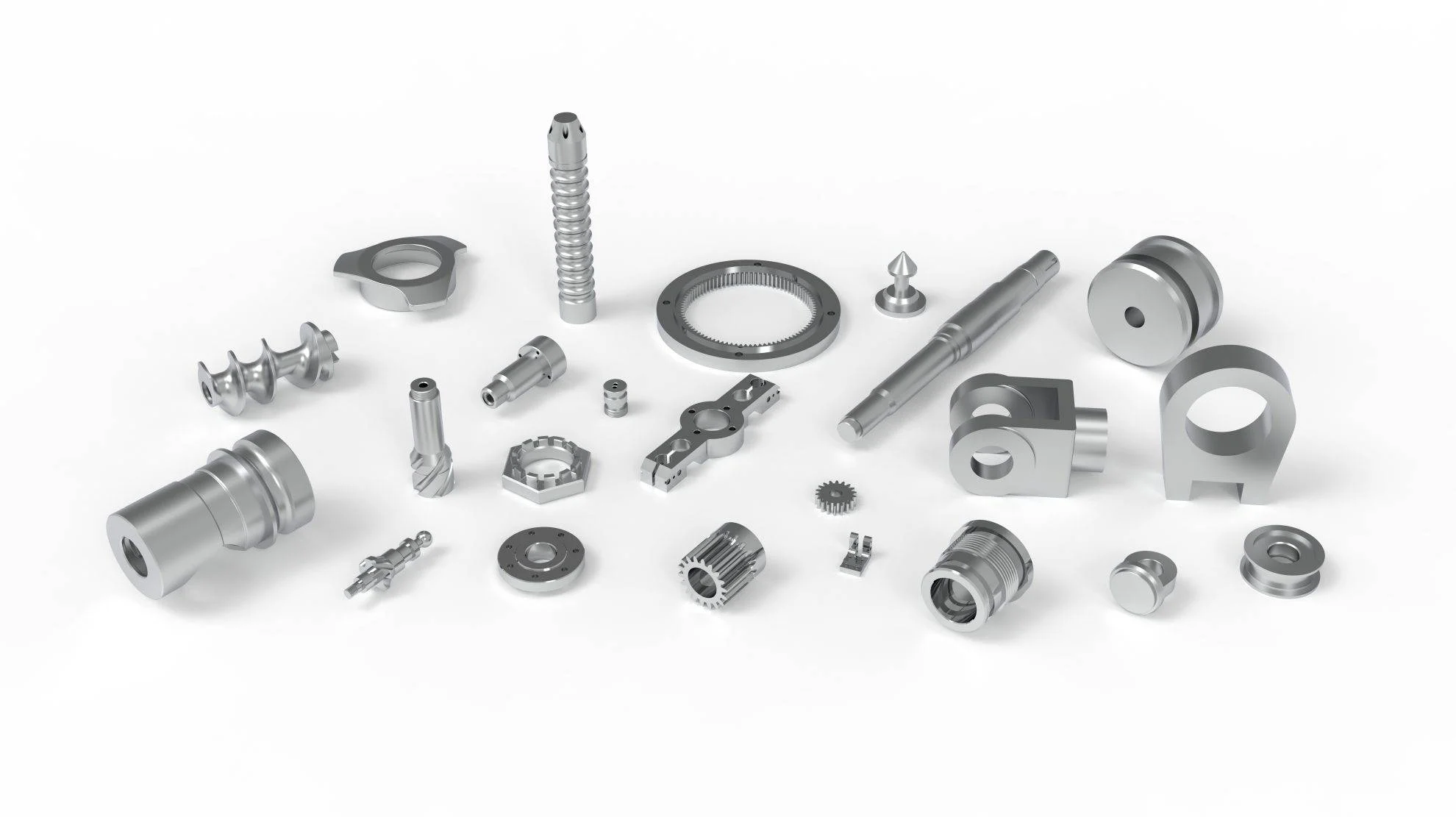
- Versatility: CNC turning can create a wide range of components, accommodating diverse industry needs.
- Repeatability: CNC machines consistently produce identical parts, ensuring product quality and reliability.
Conclusion
Precision CNC turning is a cornerstone of manufacturing, empowering industries with the ability to produce high-quality, accurate components. From hydraulic systems to aerospace applications, CNC turning plays a vital role in driving innovation and technological advancement
Write a comment