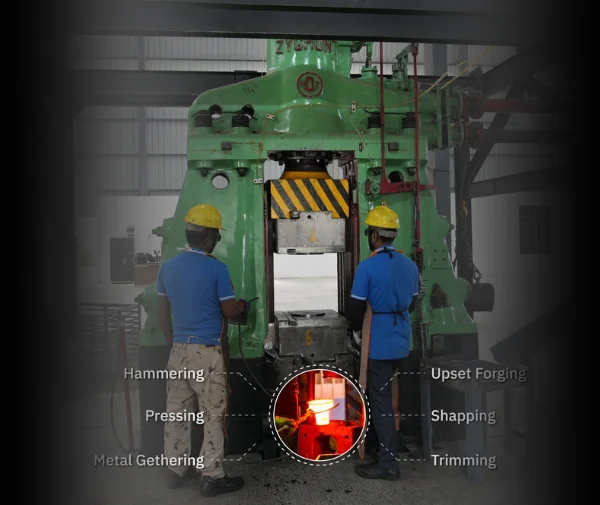
Expert Forging.
Precision Results.
Welcome to VHV Precision Engineering, your trusted partner in high-quality metal forging. With 15+ years of experience and a dedication to excellence, we specialize in various forging processes to produce top-notch forged components for a wide range of industries.
Forging is a manufacturing process that involves the shaping of metal using compressive forces. This is achieved through the application of localized pressure using tools such as hammers, presses, or specialized machinery. The result is forged parts with exceptional strength, durability, and precision.

We hold ourselves to strict quality standards, incorporating stringent process control measures to ensure that every forged part aligns with your expectations. Experience the ultimate in quality and durability with forged components’ premium product line, where we redefine industry standards for strength and precision. Our range of forged products includes flanges, nozzles, forged fittings, pressure vessel connections, and custom forging solutions to suit your unique specifications.
Our Forging Capabilities
Hammer Press
Poland
1 TON
750 CFM
510 x 615 mm
550 MM
Pneumatic/ Automatic
Upstroke Press
USA
500 TON
130 CFM
500 x 450 mm
300 MM
Pneumatic/ Automatic
Downstroke Press
Germany
1100 TON
250 KW
500 x 600 mm
600 MM
Servo drive
Downstroke Press
Italy
125 TON
100 CFM
350 x 450 mm
200 MM
Pneumatic/ Automatic
Upstroke Press
USA
125 TON
100 CFM
350 x 450 mm
250 MM
Pneumatic/ Automatic
Upstroke Press
India
200 TON
Manual
350 x 450 mm
350 MM
Manual
Downstroke Press
India
200 TON
Manual
350 x 450 mm
350 MM
Manual
Hammer Press
India
250 TON
Manual
350 x 450 mm
350 MM
Manual
Power Press Trimming
India
250 TON
500 x 600 mm
200 MM
ACME
Power Press Trimming
India
250 TON
500 x 600 mm
200 MM
Amrut
Inducto Heat
India
350 Kw
500 x 600 mm
400 – 125 mm
Fully Automatic
Cutting Machine
Germany
10mm to 300mm in Dia
Radial Drill
Germany
65 mm
–
Milling Machine
Peris
–
1000 – 2000 mm
Lathe Machine
Taiwan
500 mm
500 – 2400 mm
Your Trusted Forging Parts Manufacturer
As a leading forging parts manufacturer, we take pride in delivering top-quality components to industries worldwide. Our commitment to precision, durability, and customer satisfaction sets us apart.
Contact us at info@vhvprecision.com today to discuss your specific forging needs and discover how we can provide the perfect solution for your industry.
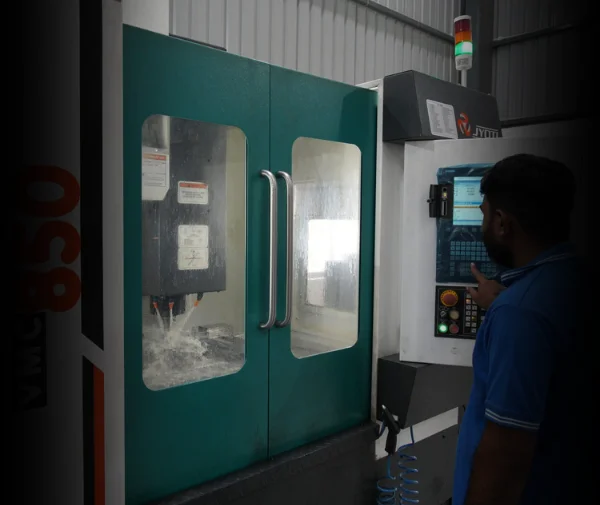
Our Precision
Machining Capabilities.
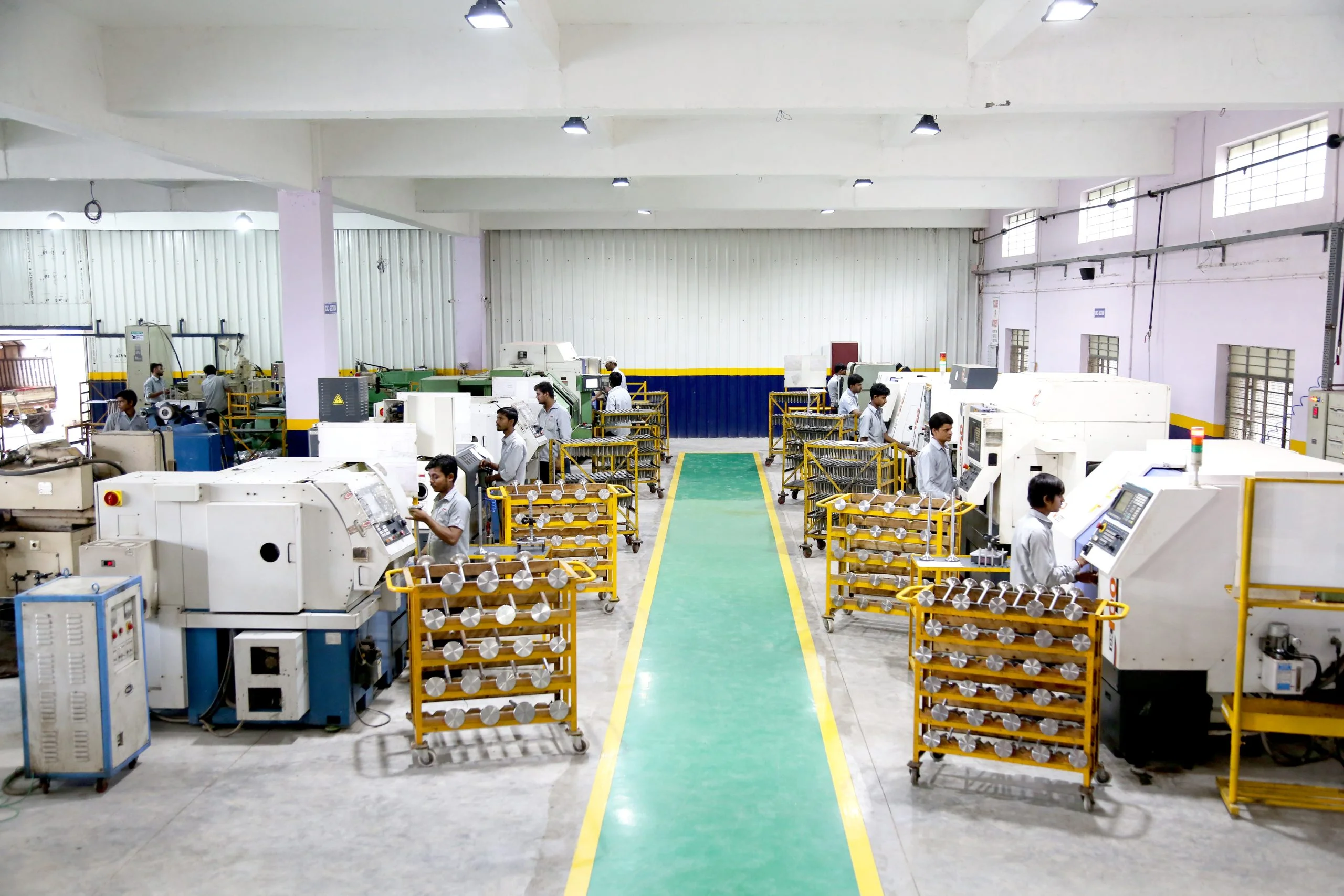
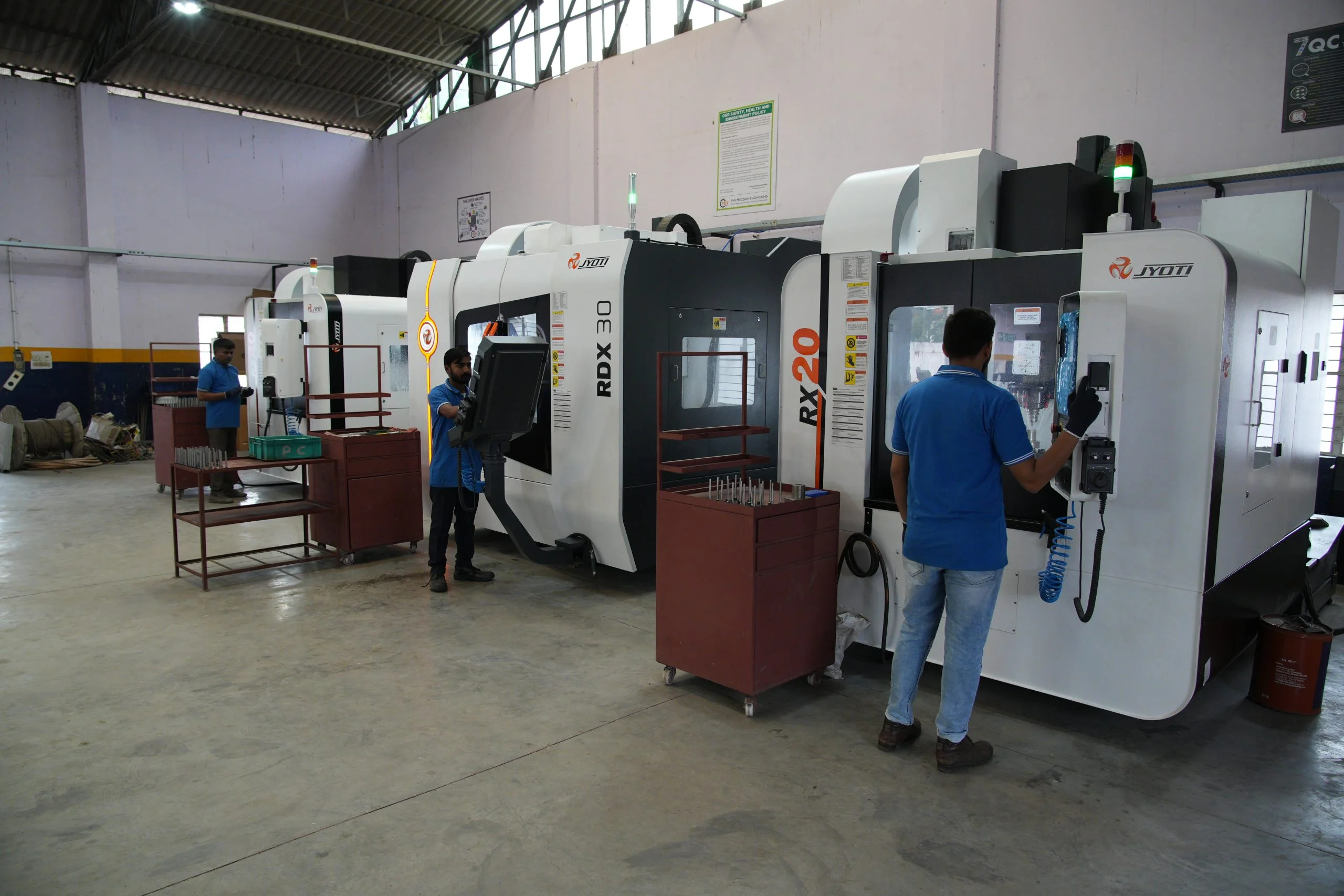
Our precision machining capabilities rely on the use of computerized and advanced machine tools to achieve demanding tolerances repeatability and accuracy. We work with CNC machines to cut materials that can produce accurate and consistent results which minimize error in manufacturing.
- CNC Machines
- VMC Machines
- Gear Cutting Machines
- Pitch Grinding Machine
- Grinding Machine
- Centerless
- Cylindrical
- Low & Medium Carbon Steel
- Alloy Steel
- Stainless Steel
- Brass & Copper
- Aluminum Bronze & Gun Metal
- Aluminum
- Super Alloys
- Surface Treatment
- Heat Treatment
- Friction Welding Machine
- Profile Machining
- Die-making
- Nitriding
- Anodizing
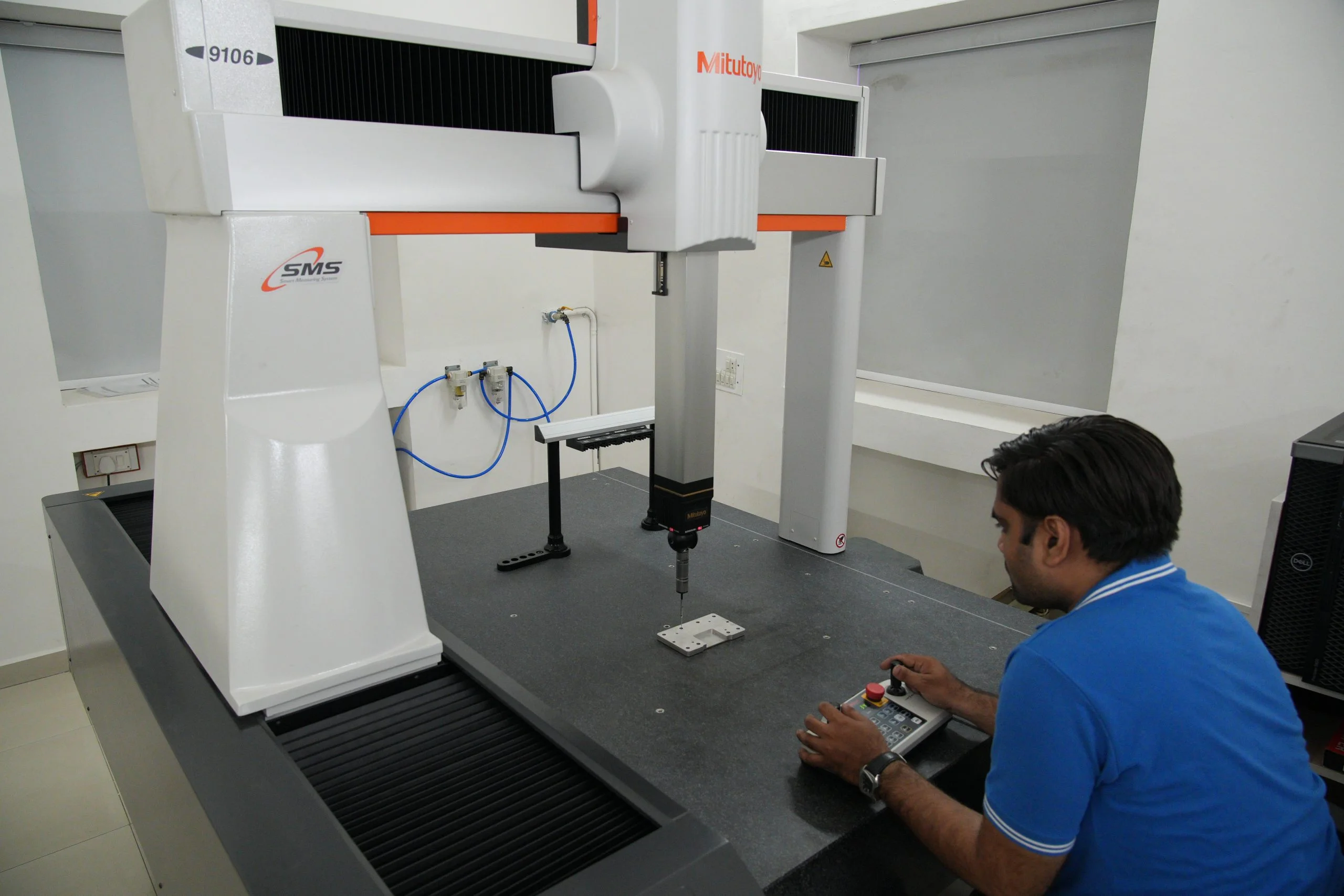
- CMM (Coordinate Measuring Machine)
- Tensile tester
- Ultrasonic tester
- Roundness tester
- Contour
- MPI
- Microscope
- Hardness tester
- Spectrometer
- Digital bore gauge
High-Quality Metal
Casting Processes.
We are a leading Casting Parts Manufacturer in India, delivering high-quality casting components for industries such as railway transportation, pump and valve manufacturing, and heavy and general engineering.
Supported by our sister concern casting unit, we are equipped to perform various casting processes, including Sand Mold Casting, Shell Mold Casting, Investment Casting, and more, all with high precision.
To ensure product accuracy, we select special types of sand based on specific project needs. The sand’s properties—such as grain size and roundness—play a crucial role in achieving the desired dimensions and surface finish. In this process, roundness and surface smoothness are key factors.
Our experienced technical team carefully monitors each stage of sand selection and mold preparation to ensure the best results. With deep expertise and advanced testing methods, they work diligently to meet specifications and deliver consistent, high-quality castings in every batch.
Shell mold casting is a metal casting process similar to sand casting, in that molten metal is poured into an expendable mold. However, in shell mold casting, the mold is a thin-walled shell created by applying a sand-resin mixture around a pattern.
Shell mold casting process following these steps:
A two-piece metal pattern is created in the shape of the desired part, typically from iron or steel.
The heated pattern partially cures the mixture, which now forms a shell around the pattern. Each pattern half and surrounding shell is cured to completion in an oven and then the shell is ejected from the pattern.
The two shell halves are joined together and securely clamped to form the complete shell mold. If any cores are required, they are inserted prior to closing the mold. The shell mold is then placed into a flask and supported by a backing material.
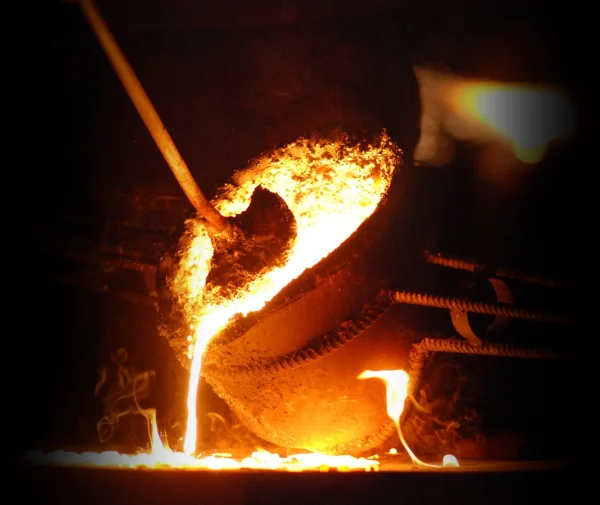
The mold is securely clamped together while the molten metal is poured from a ladle into the gating system and fills the mold cavity.
After the mold has been filled, the molten metal is allowed to cool and solidify into the shape of the final casting.
After the molten metal has cooled, the mold can be broken and the casting removed. Trimming and cleaning processes are required to remove any excess metal from the feed system and any sand from the mold.
To achieve precision results in the casting process, we employ a specialized method that allows us to produce high-accuracy products. This involves using a wax pattern to form a disposable ceramic mold, ensuring detailed and consistent reproduction during the casting stage.
Investment casting offers several advantages over other casting methods:
- Extremely complex shapes and intricate features can be cast as a single piece.
- Lost was casting has excellent dimensional accuracy and tighter tolerance.
- Lost was casting has excellent dimensional accuracy and tighter tolerance.
Integrated In-House
Outsourced
Processes.
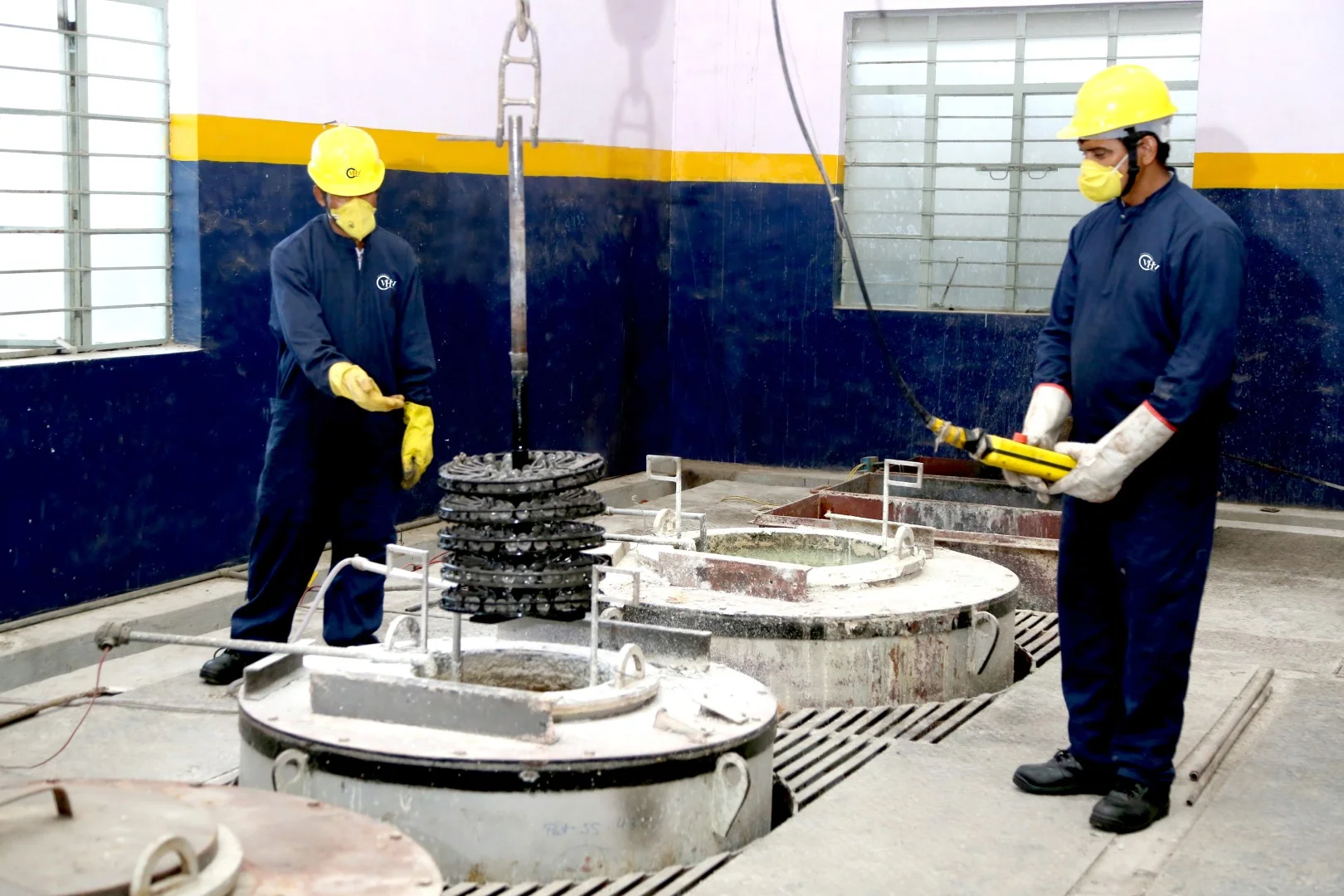
To ensure seamless production and high-quality outcomes, we have established a combination of in-house and outsourced secondary processes. This hybrid approach allows us to maintain flexibility, optimize resources, and deliver precise, cost-effective solutions tailored to varying project requirements.
We offer a wide range of secondary processes through both in-house facilities and trusted outsourcing partners. This ensures flexibility, efficiency, and quality at every stage of production, tailored to meet specific customer requirements.
- Surface Treatment
- Heat Treatment
- Friction Welding Machine
- Profile Machining
- Die-making
- Nitriding
- Anodizing
- Induction Hardening
- Case Carburising
- Solution Annealing
- Heat Treatment
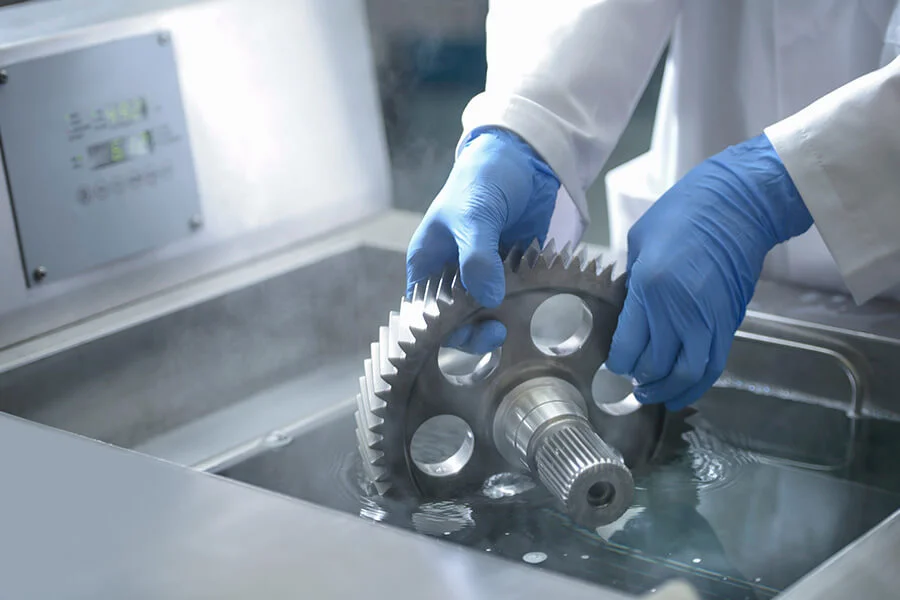
Plasma Nitriding is a surface hardening process that enhances wear and fatigue resistance using a plasma-based method.
- Zinc Plating
- Passivation
- Chrome Plating
- Electro-plating
- Electroless Nickel Plating
Anodizing is an electrochemical process that increases corrosion resistance and enhances the surface finish of metals, especially aluminum.
Electro-polishing is a surface finishing process that smooths, brightens, and improves corrosion resistance by selectively removing metal using an electrochemical method.